
Education and Training
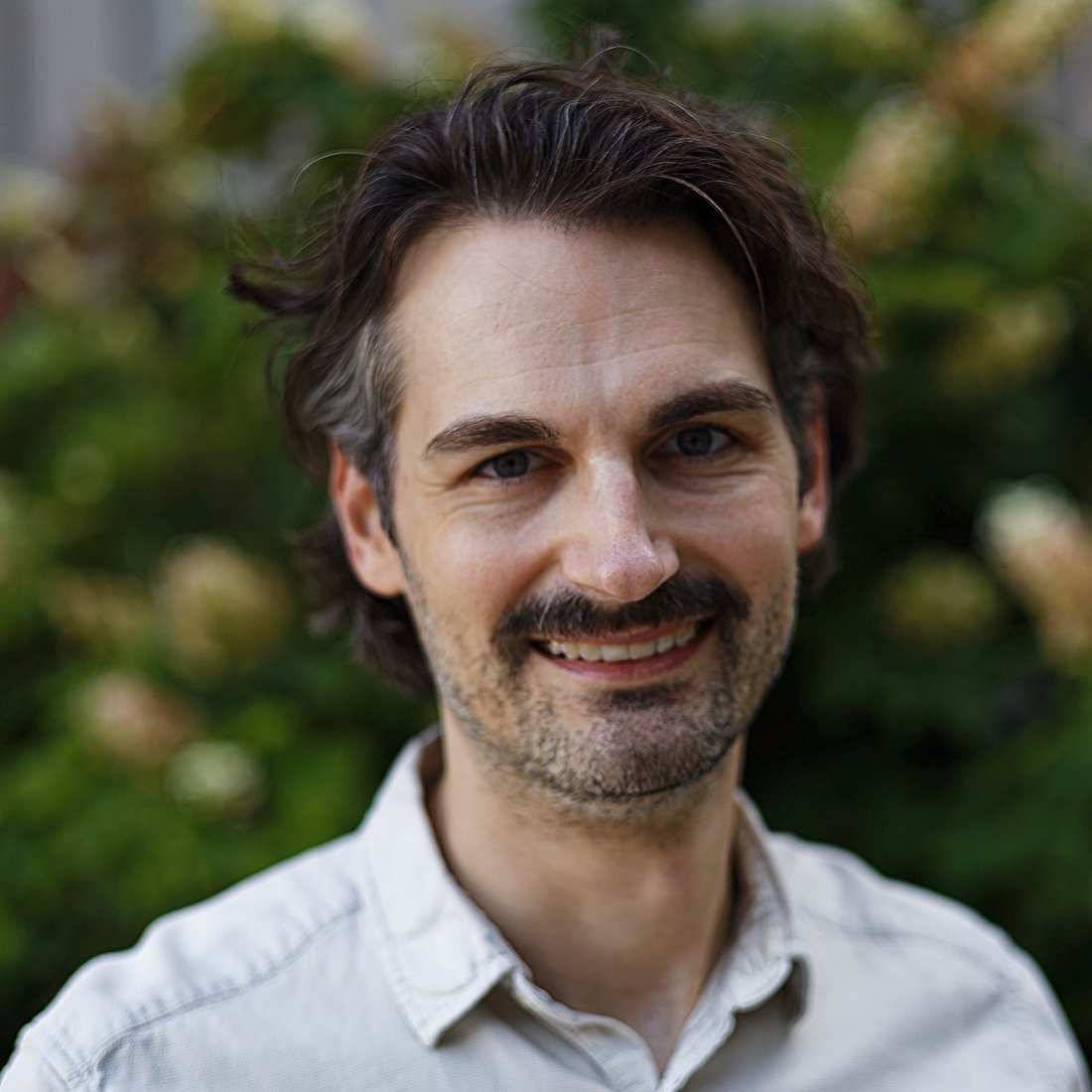
Alexander Lercher is Group Leader at the Center for Integrative Infectious Disease Research (CIID) at the Medical Faculty of Heidelberg University. Previously, he obtained his PhD in 2020 in immunology from the Medical University Vienna, working in the group of Andreas Bergthaler at the Center for Molecular Medicine (CeMM). He then moved to New York for his postdoctoral training under the supervision of Charles M. Rice at Rockefeller University before moving to Heidelberg in 2026.
Expertise
The Lercher Lab studies how airway-resident immune cells integrate complex inflammatory milieus caused by infectious disease and how this leads to formation of epigenetic memory. We combine tractable primary cell culture systems with mouse models of viral infection to recapitulate real-world pathogen encounters. Using next-generation sequencing, real-time imaging, genetic engineering and immune profiling, we aim to build a framework of signal integration and cell-cell communication across tissues in health and disease. Our overarching goal is to uncover fundamental principles of immunity that underlie disease development, progression and resolution, to enable new therapeutic approaches and boost pandemic preparedness.
Honors and Awards
• 2025. The Sidney & Joan Pestka Post Graduate Award. International Cytokine & Interferon Society.
• 2025. Postdoctoral Award. Robert Koch Foundation.
• 2025. Young Scientist Award. ASciNA.
• 2021. Award of Excellence. Austrian Ministry of Education and Science.
• 2021. DZIF Dissertation Award. German Society of Virology (GfV).
- Infectious Diseases
- Inflammatory Dysregulation
- Epigenetic Immune-Memory
- Respiratory viral infection (e.g. IAV, SARS-CoV-2)
Lung Research - Projects
1. Complex immune signal integration in alveolar macrophages
In this project we use a primary cell culture system to study how alveolar macrophages respond to combinatorial or sequential sensing of distinct environmental cues, such as cytokines, metabolites or pathogen-associated molecular patterns. Combining complementary readouts, including transcriptomics, metabolomics and functional assays, we aim to better understand real-world immune responses and map the underlying regulatory molecular networks. Ultimately, we hope to identify generalizable mechanisms underlying inflammatory responses that allow therapeutic interventions that boost pathogen clearance or curtail hyperinflammatory dysregulation.
2. Innate immune memory following respiratory viral infection
Here, we will use primary cell culture systems and murine models to study durable epigenetic remodeling following respiratory viral infection. This so-called innate immune memory is a phenomenon whereby past infections influence future immune responses and thereby secondary disease outcomes. Innate immune memory acts in independent of the encountered pathogen and our goal is to unlock its therapeutic potential which could increase treatment options for emerging pathogens and pandemic preparedness.
3. Bystander T cell responses in the airway
This project sets out to investigate antigen-independent functions of adaptive T cells in cell culture and mouse models. Infectious disease of the airway leads to formation of tissue-resident memory CD8 T cells, which are highly effective in fending off infectious disease caused by the same pathogen. However, these T cells also contribute to inflammatory responses on the tissue level in an antigen-independent fashion. Here, we aim to understand the molecular networks governing these inflammatory bystander responses with the goal to harness them to boost cross-pathogen protection.