
25 Years of the Heidelberg Lung Biobank
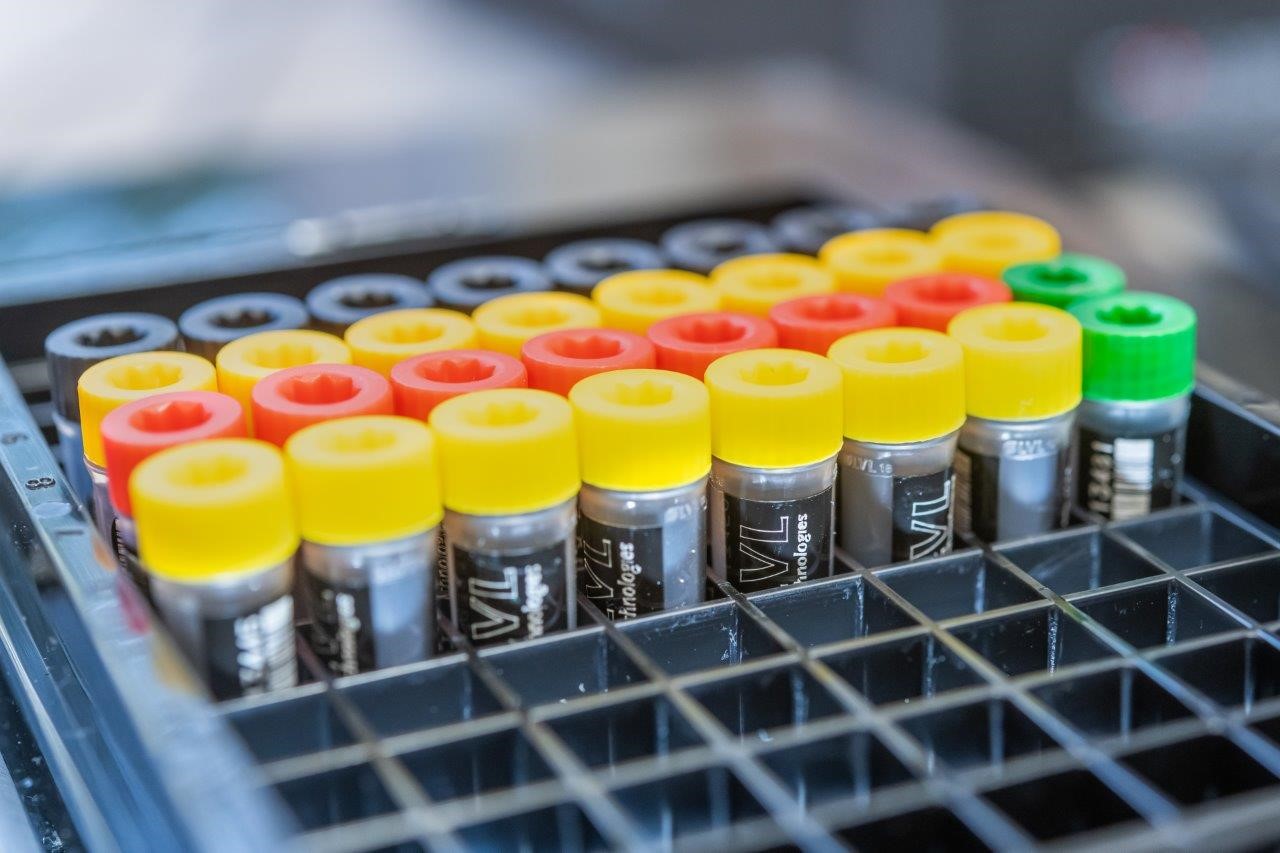
More than 680,000 blood and tissue samples, clinical data from over 20,000 patients, around 50 research projects supported each year and an average of 20 scientific publications annually: for 25 years, the Heidelberg Lung Biobank has provided an important foundation for advances in lung research.
The Heidelberg Lung Biobank was established in 2001 at Thoraxklinik Heidelberg. What began as a tissue collection has since developed into one of Germany’s largest collections of lung and lung tumor samples. Its integration into the Translational Lung Research Center Heidelberg (TLRC), a partner of the German Center for Lung Research (DZL), has played an important role in this development.
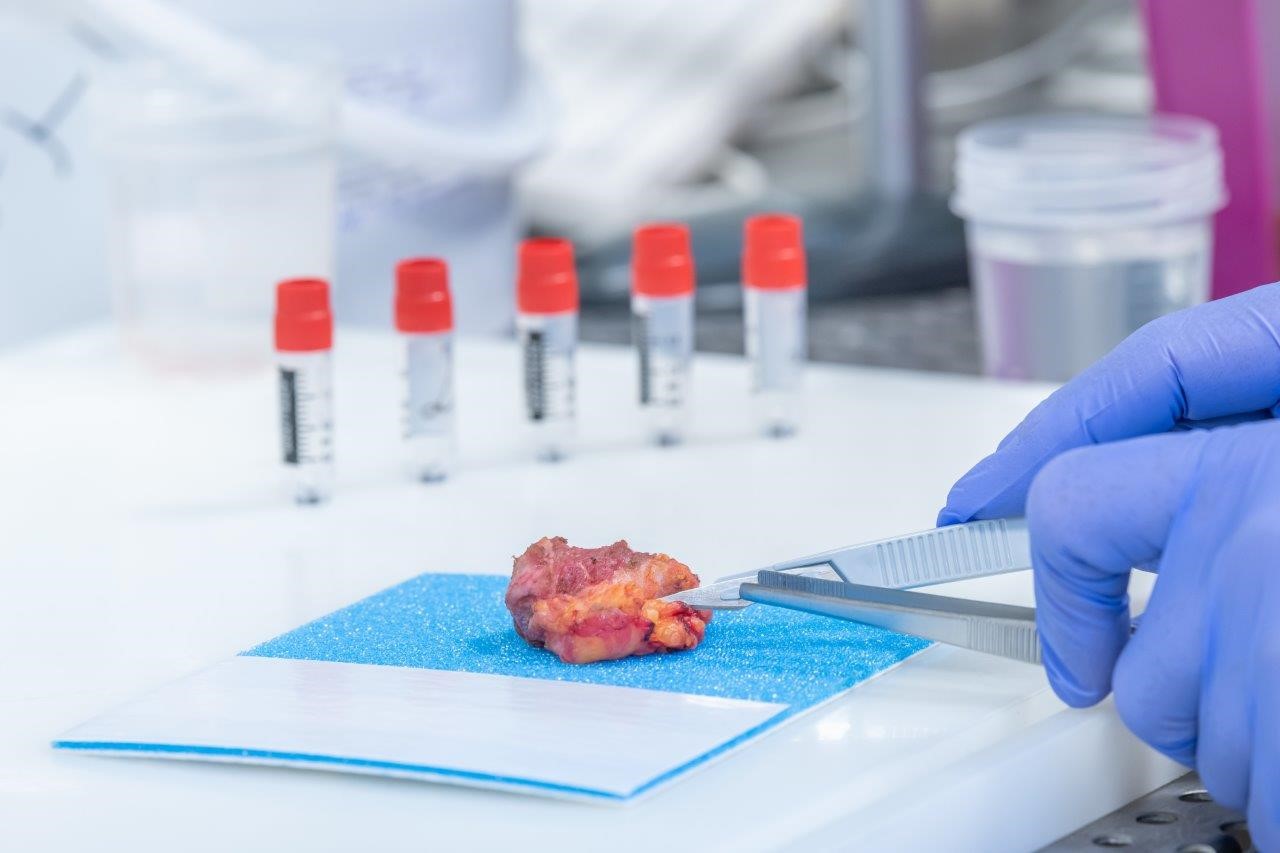
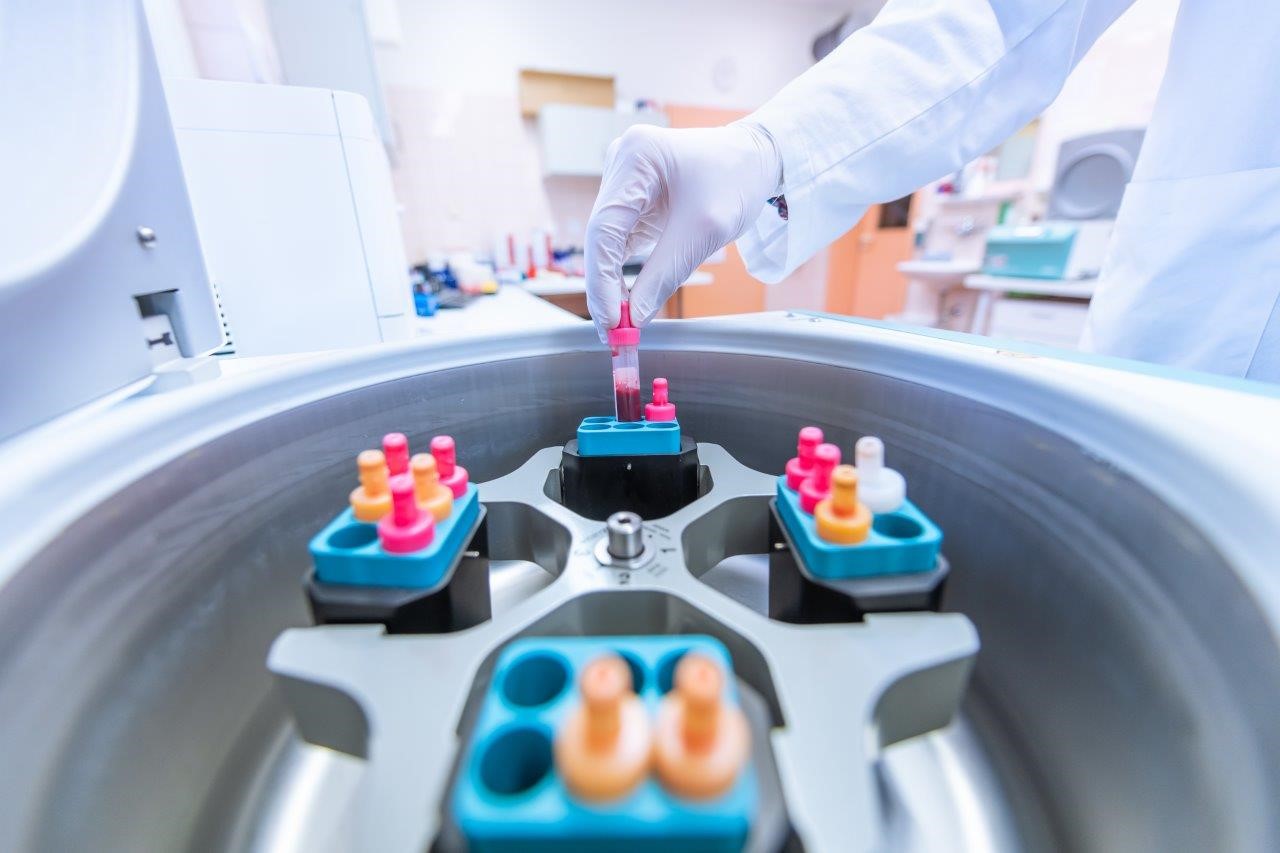
Today, the Lung Biobank provides researchers not only with tissue and blood samples, but also with a wide range of other biomaterials, including bronchoalveolar lavage samples, pleural effusions and exhaled breath condensates – each supplemented by clinical data. In this way, it provides an important basis for gaining a better understanding of disease mechanisms, identifying biomarkers and investigating new diagnostic and therapeutic approaches.
More Than Sample Storage
In recent years, the Lung Biobank has significantly expanded the range of services it offers. In addition to providing biomaterials, it also develops tissue and cell culture models for research. These include precision-cut lung slices (PCLS) generated from surplus surgical tissue. These thin tissue slices preserve the structure of tumor or lung tissue, enabling researchers, for example, to study the interactions between tumor cells, immune cells and blood vessels. The Biobank also provides air-liquid interface cultures. Using surplus bronchial tissue, researchers can recreate the human airway epithelium in the laboratory – for example, to investigate respiratory infections or test new therapeutic compounds.
Around 50 Research Projects per Year
Today, the Lung Biobank supports partners from academia and industry and contributes to around 50 research projects each year. With a particular focus on lung cancer and interstitial lung diseases, it has become an important infrastructure for national and international research projects.
The Biobank currently employs nine study assistants, four technical assistants, three medical documentation specialists, three data managers and one quality manager. This interdisciplinary structure has significantly improved the quality of clinical sample and data collection, as well as their structured provision for research projects. Since 2023, the Lung Biobank has held partial accreditation in accordance with ISO 20387.
Even after 25 years, its goal remains the same: to make high-quality samples, data and models available in a way that enables new insights to be translated into improved diagnosis and treatment of lung diseases.
Further information is available here: